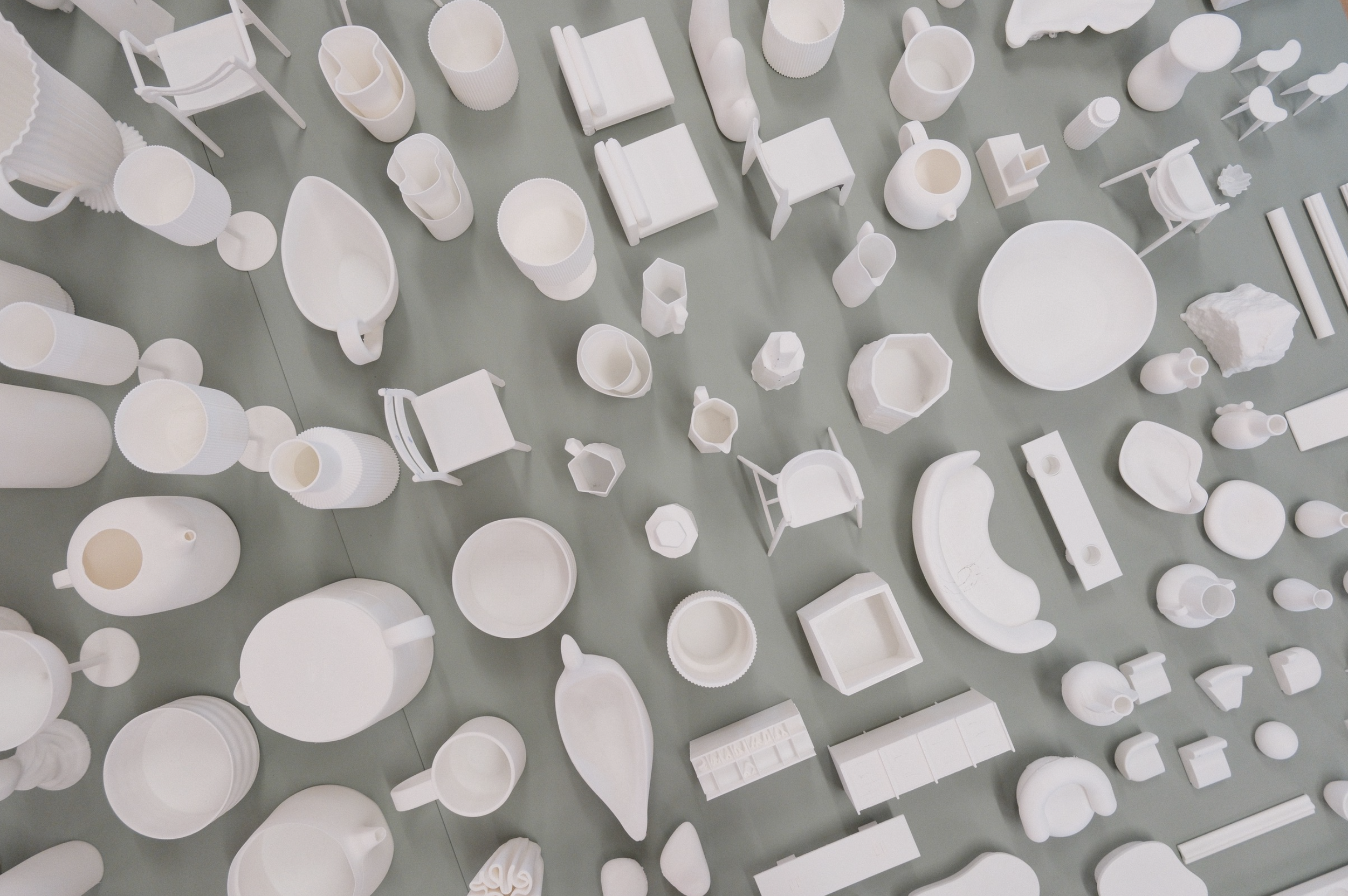
3D-printed prototypes for Ferm Living. Photograph by Sam Harrons, 2026.
Another design festival, another existential crisis. Katie Treggiden reflects on what design is for and whether it’s doing enough to solve humanity’s biggest challenge—climate change.
It is December 2009, and the young man I am dating invites me for an evening of mulled wine and ice-skating at London’s Natural History Museum. I hate ice-skating, but I like him, so I reluctantly agree. He lets me anxiously sip mulled wine and watch people wobble around on the ice for a good half hour before whispering in my ear, “Not really, we’re going to see an exhibition about Modernism at the V&A”. Reader, I married him. But that’s a story for another day. Because, as well as falling in love with that (now 50-year-old) man that day, I also fell in love with design. The exhibition was Cold War Modern: Design 1945–1970, and it told a story of the defiant hope that emerged after the horrors of the Second World War—hope that a better world was not only possible, but that design was the tool to bring it about. The exhibition shared architectural visions for rebuilding devastated cities, examples of furniture, architecture, art and fashion inspired by the optimism of the space race and imagined utopias, all made possible by this thing called design. Stuck in a career in advertising in which I felt in service to nothing more than fragile male egos and burgeoning capitalism, I was all in. I started a design blog just a few months later (callback to confessions of a design geek!) and, within two years, I was a full-time design journalist with a laser focus on what I called ‘design for good.’ I had always wanted to be a writer—now I had found my muse.
Of course, modernism was not without its problems. The hubris of its (usually straight, white, male) designers meant that they implemented solutions without understanding the problems or the people they thought they were solving them ‘for’ with a top-down approach that often backfired. Austere housing projects created the opposite of the behaviours they intended; regional identity, warmth and relevant symbolism were replaced with cold cookie-cutter designs or (ironically, given all their ‘less is more’ chat) culturally appropriated motifs; and a reliance on new industrial materials ignored environmental impacts and local contexts.
Mass production was seen as a democratic tool that could bring ‘the best [to] the most for the least,’ as Ray and Charles Eames put it, but the reality is that when its outputs started to exceed demand, industrial design morphed from a tool to create ‘use value’ (how well something works) into a tool for the creation of ‘exchange value’ (how well something sells). Design was no longer in service of the greater good, but the bottom line.
But despite coming to understand all of this over time, I still believe(d) in design. My first role in the industry involved defining a lexicon and tone of voice to help Maggie’s provide ‘calm, clarity and a cup of tea’ to people with cancer and their family and friends. The charity works with leading architects and designers to create home-sized dwellings in the grounds of leading cancer hospitals that provide a refuge from the indignities of medical treatment and disease, and I loved working with them. The care and attention that go into every aspect of those centres, from the building to the biscuits, can make a real difference on the worst day of someone’s life.
I wrote books, first about craftspeople and then about craft as a model for the transition to the circular economy, exploring waste as a raw material and the role of mending and repair. I profiled designers such as Fernando Laposse and Sebastian Cox, who both use design as a tool for environmental regeneration—their products merely the economic levers needed to bring about change.
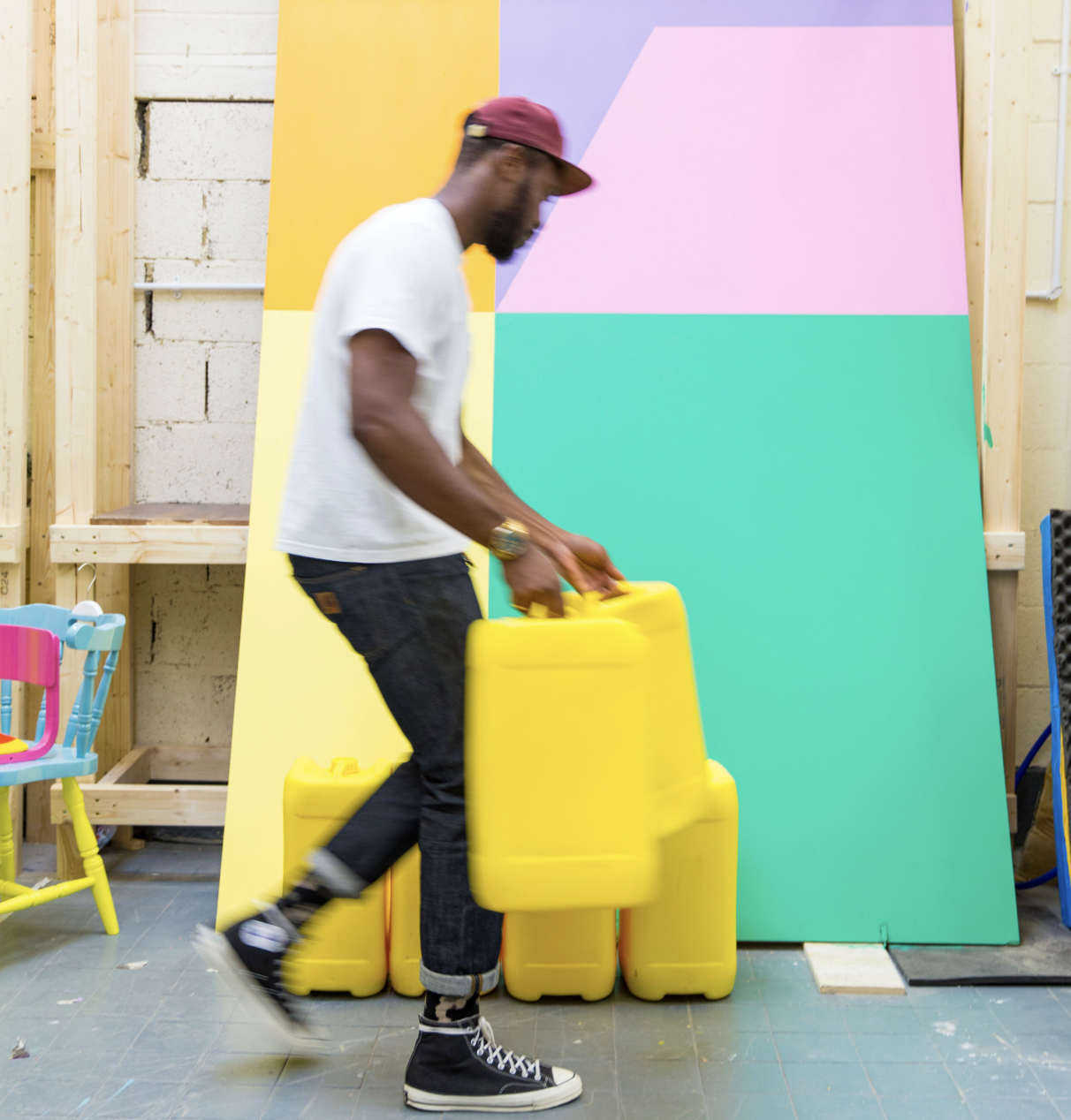
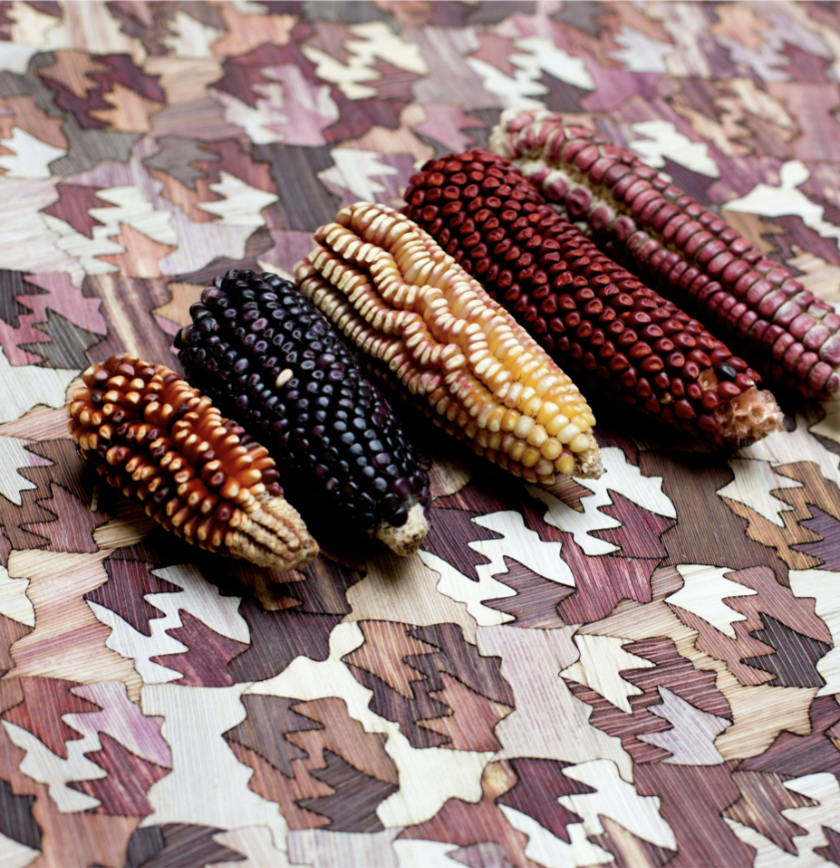
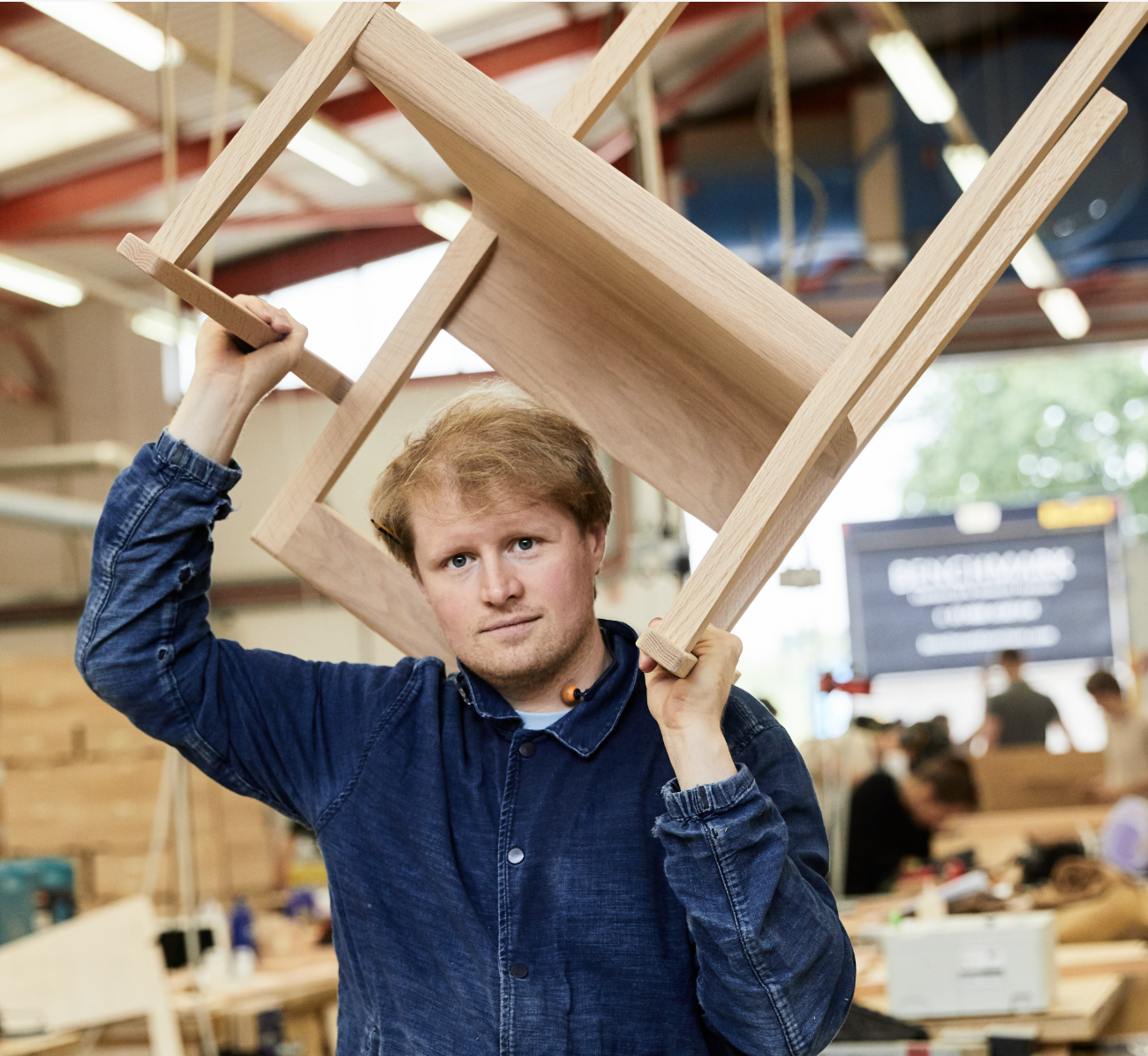
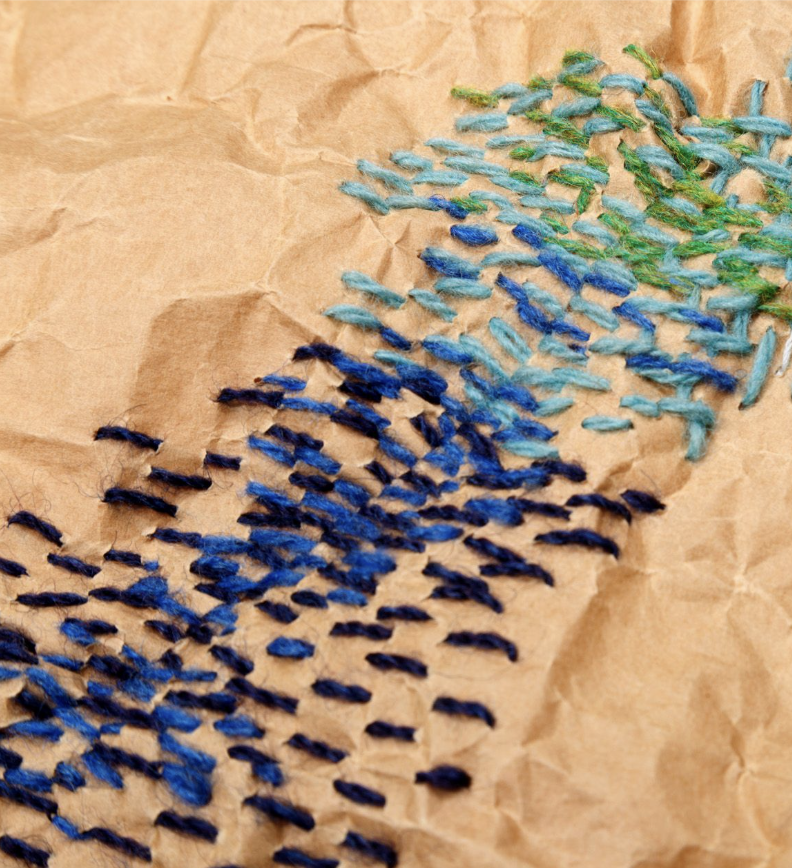
From L-R: Yinka Ilori, Fernando Laposse, Sebastian Cox & Celia Pym
And I went to design fairs, so many design fairs. At first, they were exciting; a cacophony of colour, materiality and innovation, showcasing the thousands of ways that design can solve problems. I met Henry Davidson, a Northumbria University product and furniture design graduate who was making chairs with kelp seats and backrests—a remarkably regenerative material that provides habitats for marine life, absorbs more carbon dioxide than trees and can grow up to two feet per day. I met Celia Pym, who carefully darned paper bags to question what is valued enough to be mended and Jane ni Dhulchaointigh who invented Sugru to democratise repair. I met Yinka Ilori with his very first collection of upcycled chairs and Jen Keane, who collaborates with bacteria to weave fully biodegradable sports shoes. And I met Sara Howard who is reclaiming demolition waste for artists and using hotel ceramics workshops to regenerate coral reefs.
But if I’m honest, I was always seeking these projects out; walking straight past the brands launching the same sofa in this season’s colourway, turning a blind eye to the designer responding to a brief for a ‘3-minute’ public bench without questioning who that would exclude, trying not to laugh in the face of the salesperson who told me his products were ‘100% sustainable’. (What does that even mean?!) The last time I went to Maison et Object I found two purpose-driven projects among their thousands of exhibitors. I haven’t been back.
Then Milan Design Festival provided the final straw. (You knew it would, though, right?) After queuing for hours to get into a new fair that was the talk of the town, I happened across a young designer who had taken all of his privilege, access, talent, education, financial means and an ancient natural material extracted from the earth, and made what?
A marble phallus.
I still don’t have the words. And I haven’t been back to Milan either. Described this year by Dezeen’s Max Fraser as an ‘extraordinary proliferation of fancy stuff for rich people,’ perhaps Milan is just not for me. But I have persevered with other shows, 3daysofdesign and Dutch Design Week being among my favourites. In fact, I have just returned from Copenhagen, on the assurance that this year’s festival would ‘make this moment matter.’ And jeez does it need to. We have less than four years to hit the crucial milestones that make Net Zero by 2050 possible so we don’t make the only habitable planet in the known universe too hot to live on.
And again, I sought out purpose-driven projects—AHEC’s Wood for the Trees, Ladies & Gentlemen’s collaboration with natural dye artist Cara Marie Piazza, Kinto’s collaboration with studio x (kitchen) celebrating the Japanese concept of てま (te-ma); the beauty of intentional ‘slow-work,’ and ReCraft Studio’s ingenious use of demolition waste all gave me hope. But with a press schedule that took in another brand or exhibition every 45-minutes for three days—each with another press kit and another freebie in another tote bag, most of which now undoubtedly lie abandoned in hotel rooms—I can’t help but wonder if I’m back where I started. Sure, there are fewer fragile male egos in design, but what is all of this in service to if not late-stage capitalism? As an industry, is that really all we believe design is good for?
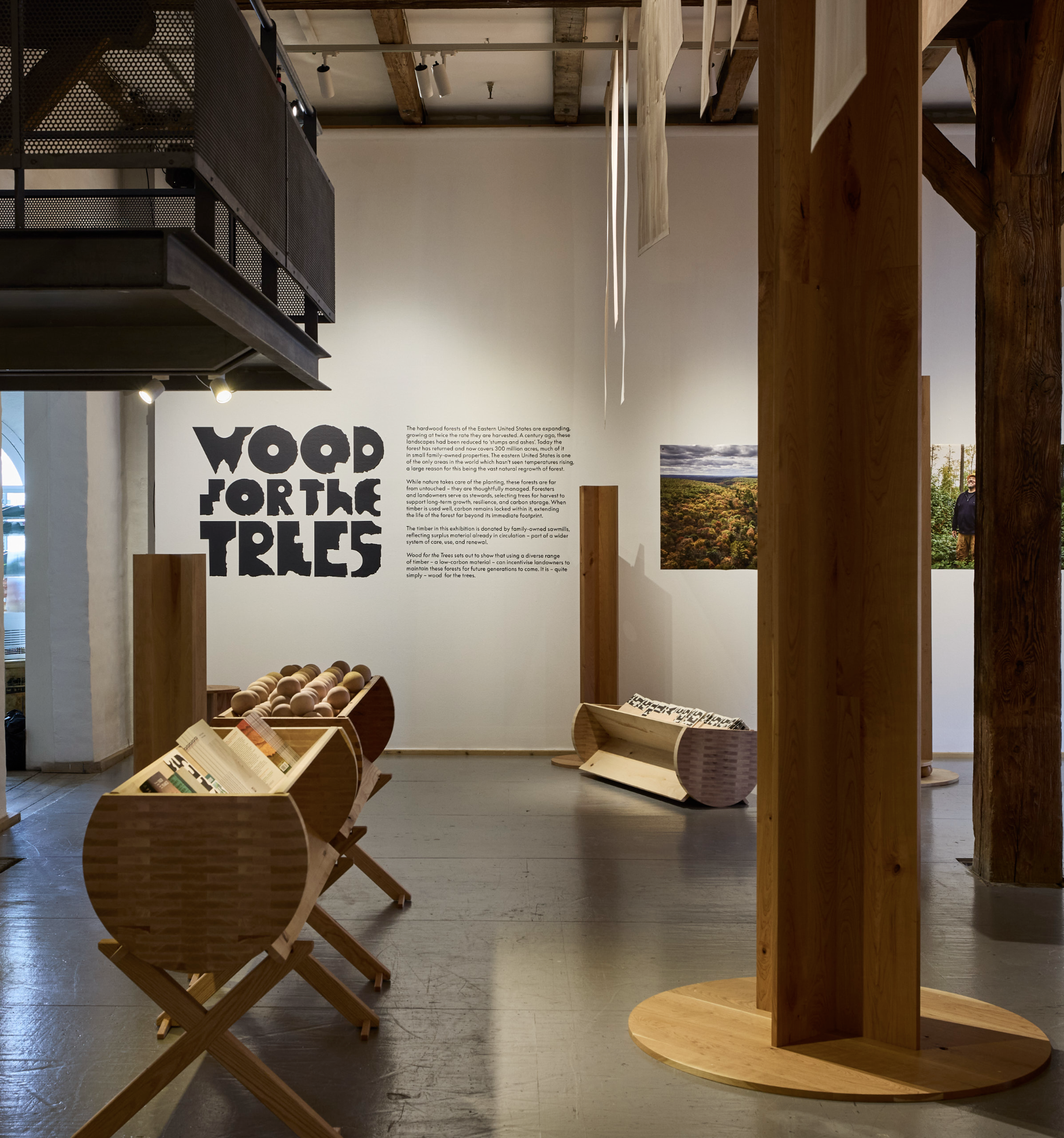
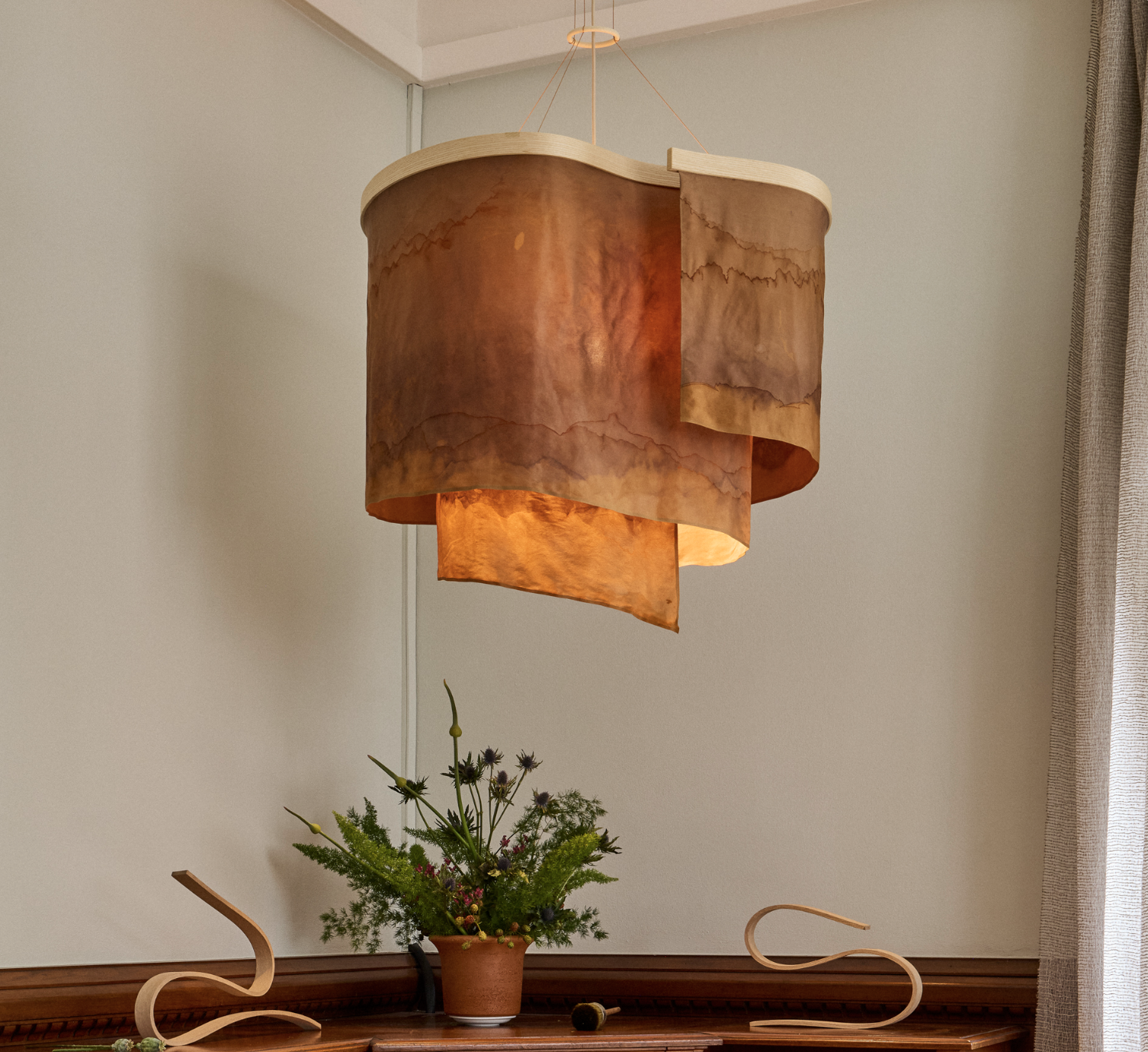
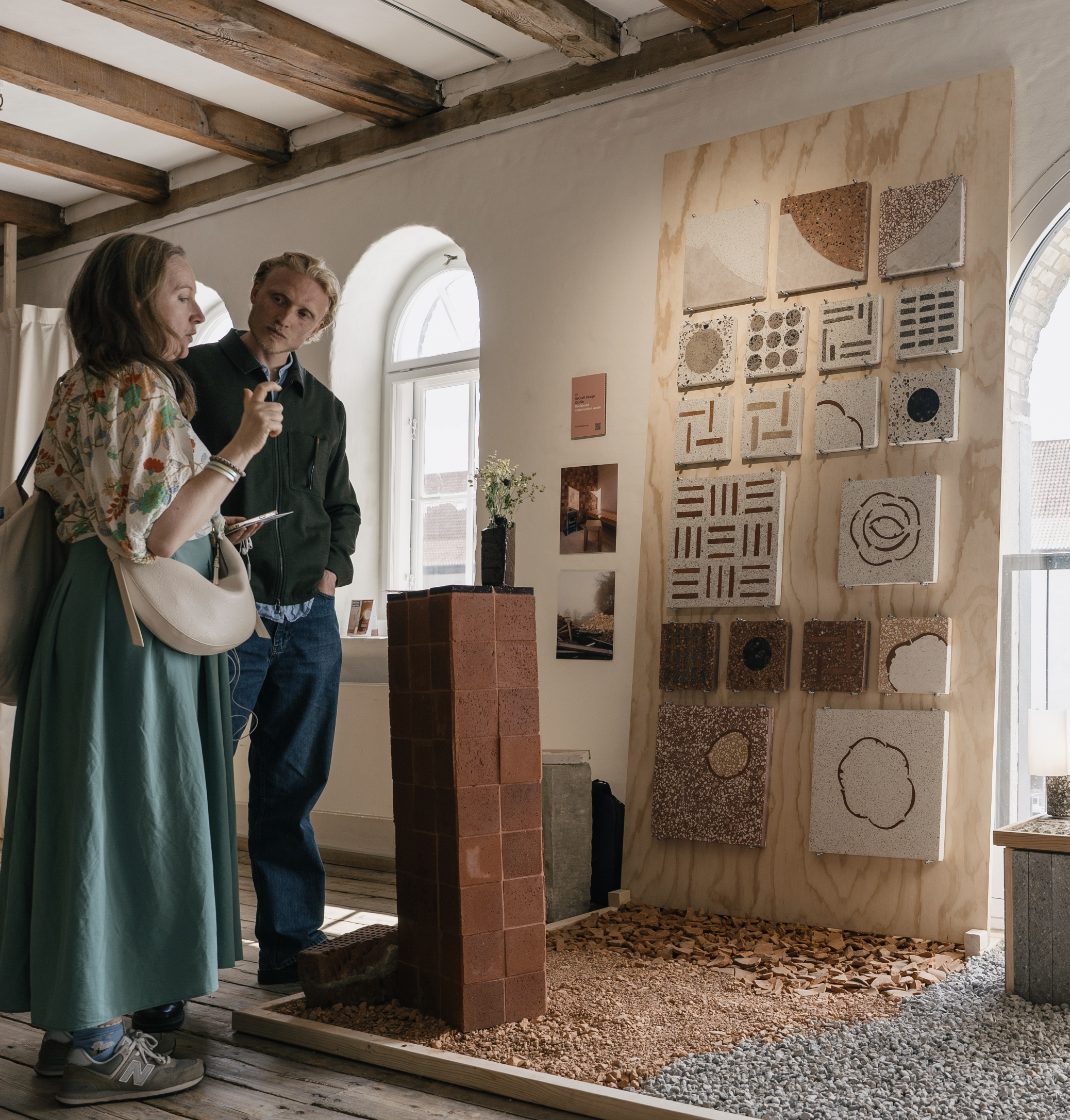
From L_R: AHEC, Ladies & Gentlemen Studio, ReCraft & Kinto
Cold War Modern: Design 1945–1970 ended with the first photographs of Earth taken from space, which had prompted a new understanding of design’s biggest challenge yet—the climate crisis. We have recently had the opportunity and the privilege to witness that perspective anew. “When we saw tiny Earth… what struck me wasn’t just Earth; it was all the blackness around it,” said astronaut Christina Kock. “Earth was just this lifeboat hanging in the universe. Planet Earth—you are a crew.”
It was a call to action for us all to step up and become what she defines as ‘a group of people … willing to sacrifice silently for each other, that gives grace, that holds accountable. A crew has the same cares and the same needs, and a crew is inescapably, beautifully, dutifully linked.’ There is no doubt all life on Earth is inescapably linked. We humans like to believe we are somehow separate, somehow superior, but every breath we take comes from trees and seas and three-quarters of our food relies on bees and other pollinators.
So, we are inescapably linked, but are we a crew? Are the members of the industry I fell in love with on a cold December night 17 years ago willing to sacrifice silently for each other? Are we giving each other grace and holding each other accountable through the transition to a regenerative economy? Are we beautifully and dutifully linked as well as just inescapably?
I’m not sure anymore. I have always believed in the power of design to solve meaningful problems (and felt the weight of that responsibility), but after the latest bombardment of design festivals, I’m not sure we’re even trying.
Tell me I’m wrong.
Katie Treggiden is an author, journalist, speaker & strategist helping the design sector understand, navigate and communicate the transition to a regenerative future.