Rehearsing Regeneration
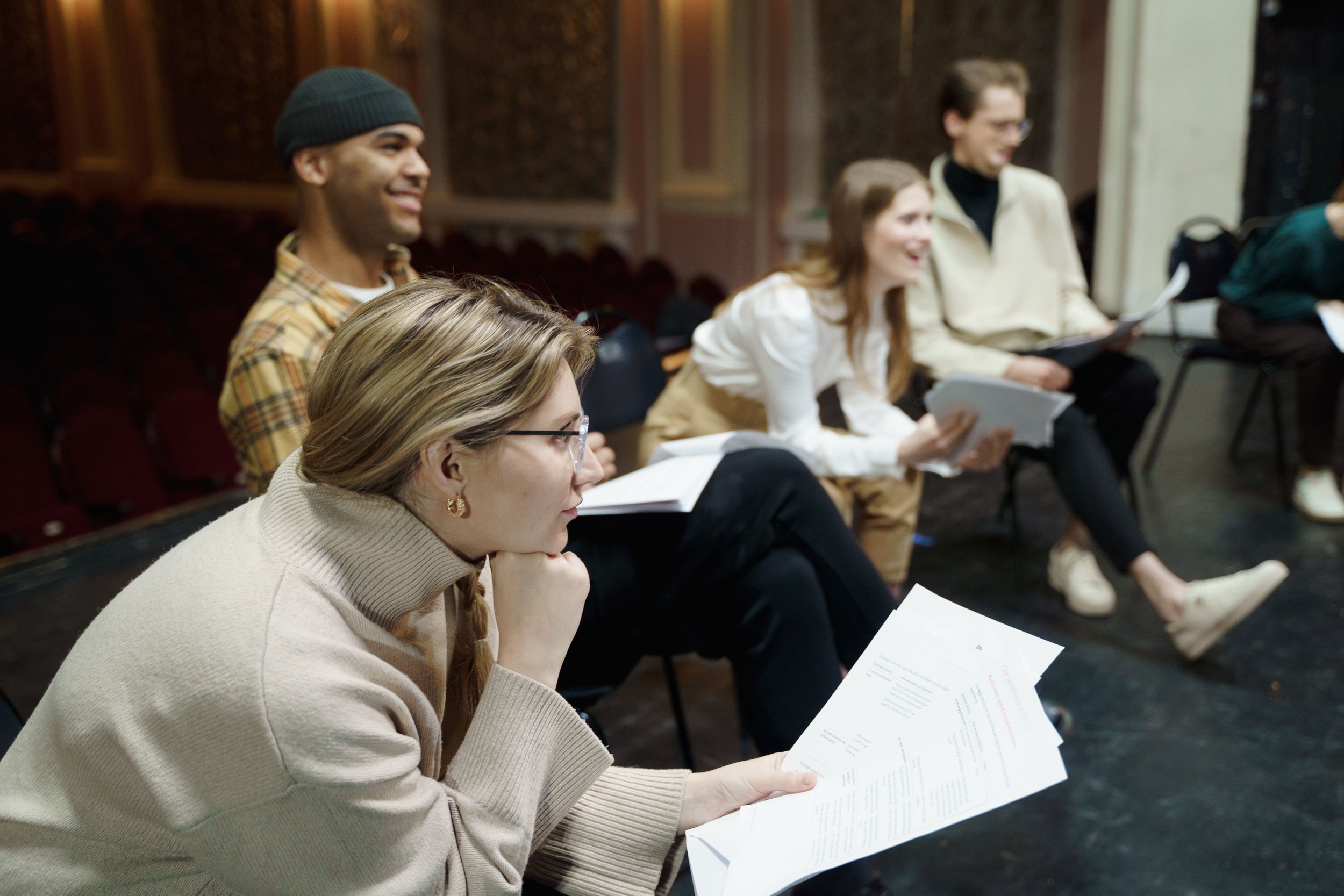
Photo: Cottonbro via Pexels
As we navigate a summer of wildfires and broken temperature records, Katie Treggiden offers ‘rehearsal’ as a model for approaching our efforts towards regeneration more lightly and playfully—and perhaps with more powerful results.
"Be the change you want to see in the world." It’s a quote you hear banded about in environmental circles, often with a slightly accusatory tone; a challenge to ‘get your own house in order’ before worrying about what anyone else is doing, before judging others, before pushing for systemic change.
And all that has led to is a sustainability stalemate; to greenhushing; to the idea that we must be doing everything perfectly before we can campaign for change on a broader scale. This is why I talk so much about progress over perfection. But what’s interesting is that Mahatma Gandhi never actually said those words. And what he did say carries a lot more nuance:
“We but mirror the world. All the tendencies present in the outer world are to be found in the world of our body. If we could change ourselves, the tendencies in the world would also change. As a man changes his own nature, so does the attitude of the world change towards him. This is the divine mystery supreme. A wonderful thing it is and the source of our happiness. We need not wait to see what others do.”
The fact is that personal and systemic changes happen in tandem, each encouraging and reinforcing the other. A 5p charge on plastic bags introduced in England in 2015 saw plastic bag use drop from 140 bags per person annually to fewer than 10 in a very short space of time. But the levy didn’t come out of nowhere. Local beach clean and litter pick groups gathered data on the number of plastic bags they found to demonstrate the scale of the problem. Regional pilots proved a levy would work. And environmental charities came together around a "Break the Bag Habit" campaign to lobby for the charge to be introduced. Systems change people and people change systems.
That’s important. But/and Ghandi is saying more than just that. He is also telling us not to wait for permission; not to wait for our neighbours or the government or big business to change. And perhaps most importantly, he is describing change as the source of our happiness; offering us the idea that the things we’re being asked to do in the name of freedom, in the name of social justice, or in the name of environmentalism (spoiler: they’re all interconnected) might actually make us happier.

Photos: Cottonbro via Pexels
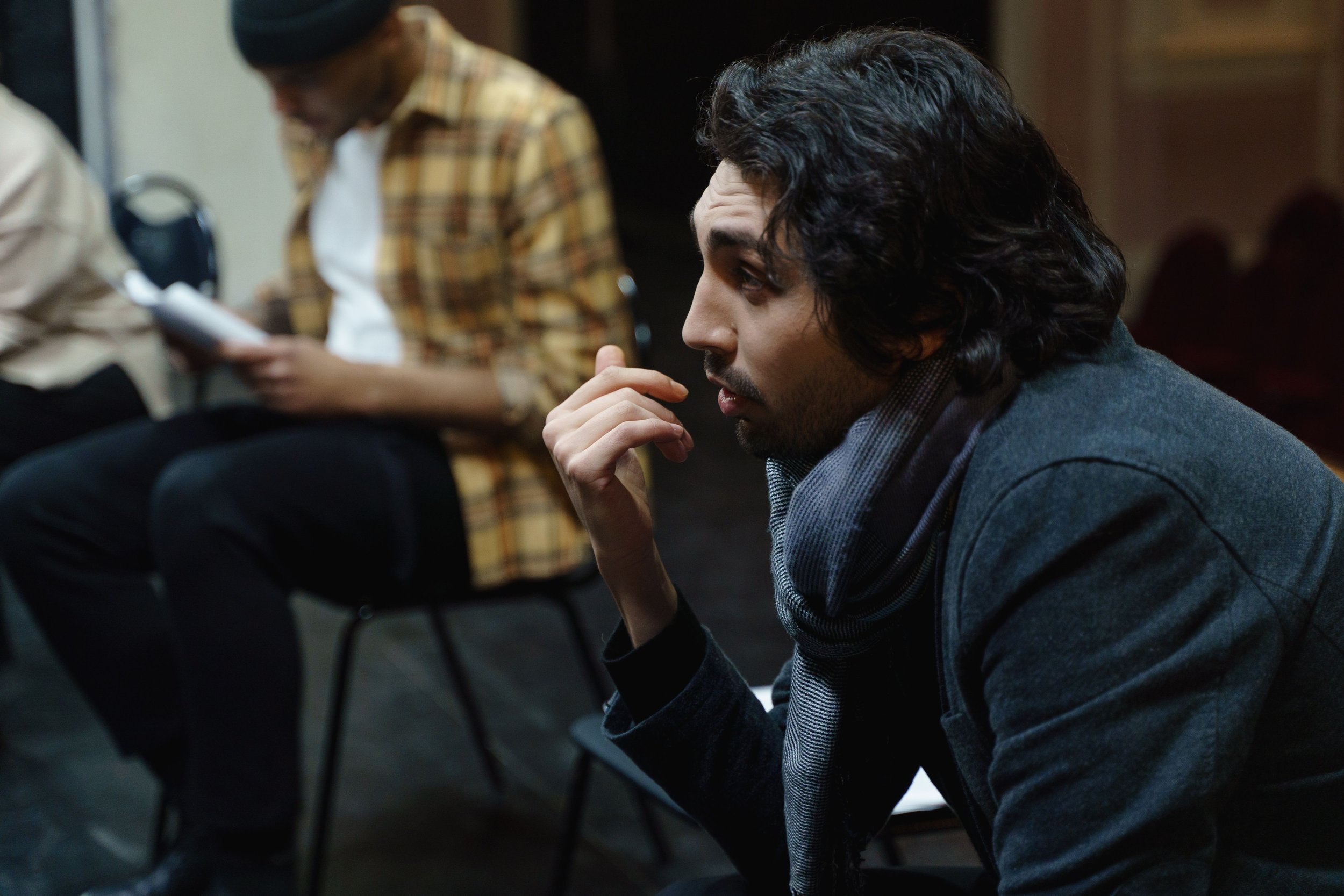
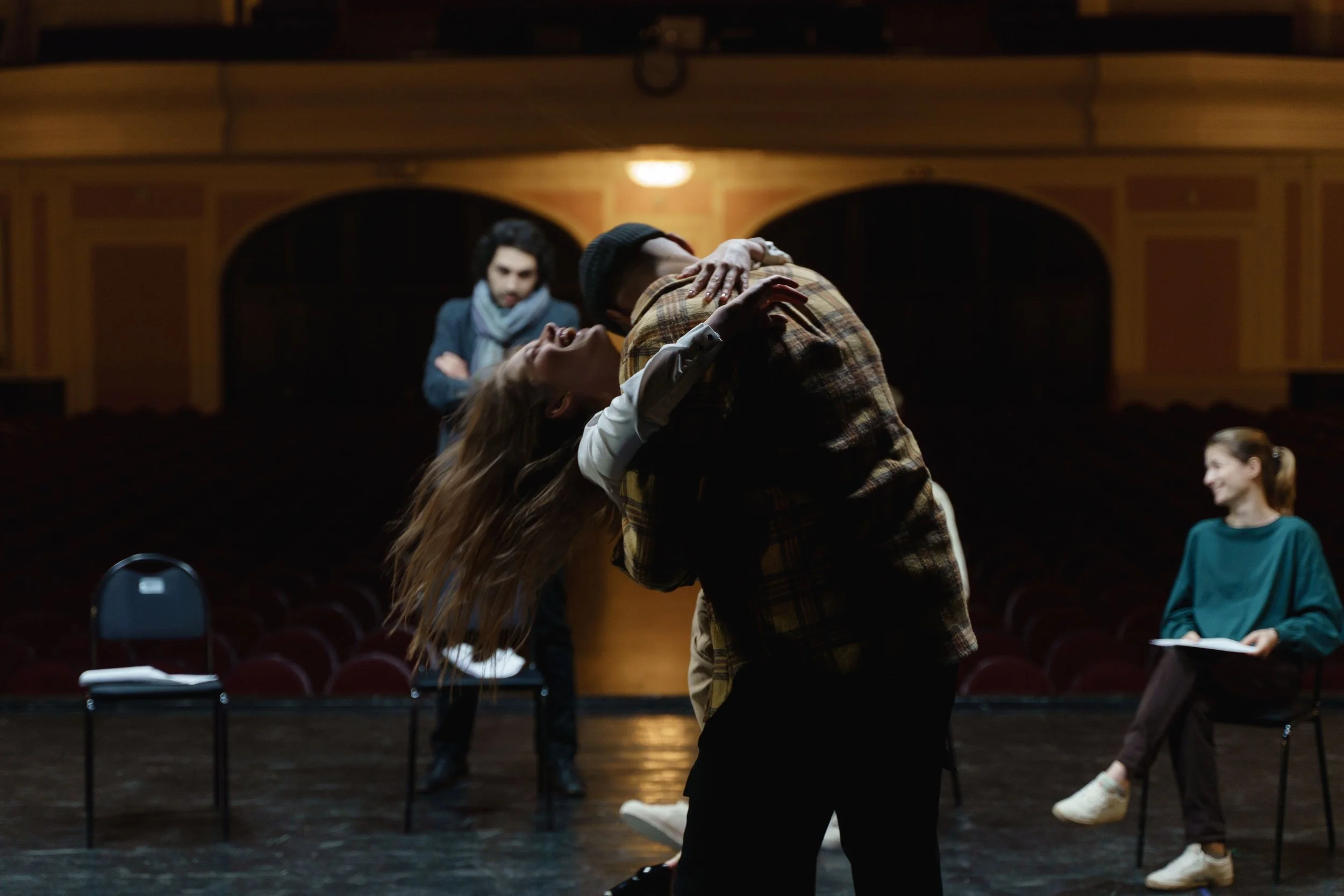
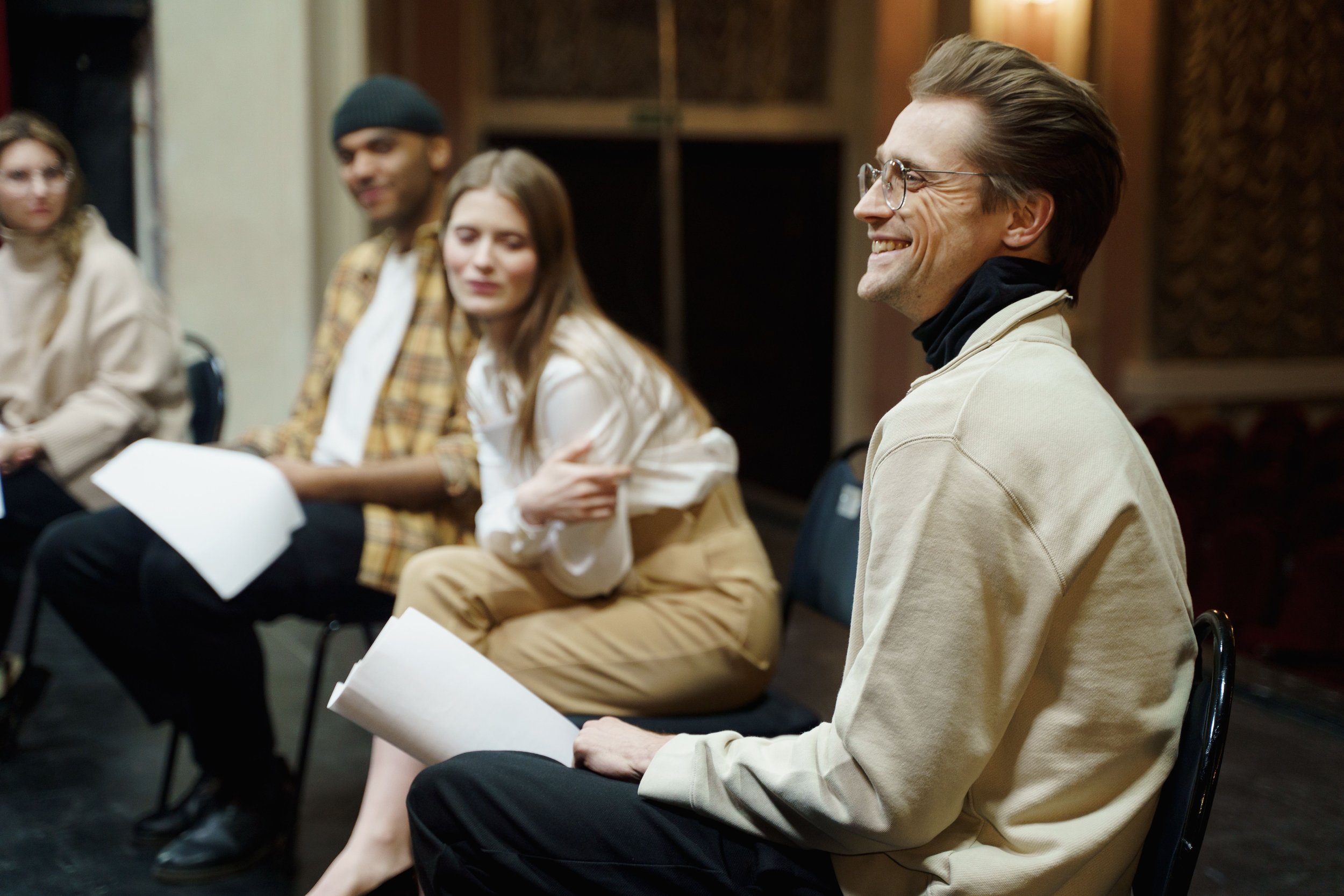
This week, I listened to David Naimon interview American poet Eleni Sikelianos for one of my favourite podcasts, Between the Covers. They talked about her book Memory Rehearsal, which explores her great-grandparents Eva Palmer and Angelos Sikelianos’ attempts to revive the ancient Delphic festivals. Sikelianos spoke about Palmer’s rehearsals, which she always held at dawn or at dusk. The actors described them as life-changing, and local children, having overheard the lines often enough to learn them, started re-enacting playground versions of the plays long before they made it to the stage. They were rehearsing; just playing with ideas and experimenting, just trying things on for size, and yet they were already bringing about change. So maybe when Gandhi (didn’t) say "Be the change you want to see in the world," this is what he meant. Maybe it’s not about being perfect; maybe it’s about rehearsing imperfectly, even before the systems and structures are ready, and letting that be enough.
Put another way: “we but mirror the world” and the world but mirrors us. Food systems in this country are broken, but I am buying from local sustainable producers when I can and growing my own apples, tomatoes, courgettes and potatoes in tubs my tiny garden. The latest data collected from the National Diet and Nutrition Survey (NDNS) says that nearly a third (29%) of children aged 5-10 eat less than one portion of veg a day. I live opposite a primary school, so as well as sharing my courgette glut when it comes, I’m planting more fruit trees and planning a ‘cut and come again’ herb and salad ‘bar’ outside my house so the local kids can help themselves to fruit and veg they have watched grow. According to the Natural History Museum’s Biodiversity Intactness Index, the UK ranks 189th out of 240 countries and territories for how intact its nature and biodiversity remain. So, I’m regreening my (again, tiny!) garden, adding a pond (in a Belfast sink!), turning an unused gravel drive into a multi-species lawn and replacing our fence with a hedge. None of this is going to change the world, but it will enable me to play and experiment; it will change my own nature and become the source of my happiness.
So instead of trying to get our sustainability efforts “right,” let’s treat them like rehearsals: a place to try things out, to play, to experiment. Let’s, like Palmer, hold them at dawn or at dusk and invite in a little “divine mystery”. Because, as Gandhi actually did say, “as a man changes his own nature, so does the attitude of the world change towards him.” It’s not everything, but it feels like a pretty good place to start.
Katie Treggiden is an author, journalist, speaker & strategist helping the design sector understand, navigate and communicate the transition to a regenerative future.